Blue Butterfly Pea Powder Technical Guide: Anthocyanin Pigment, pH, and 80-Mesh Control
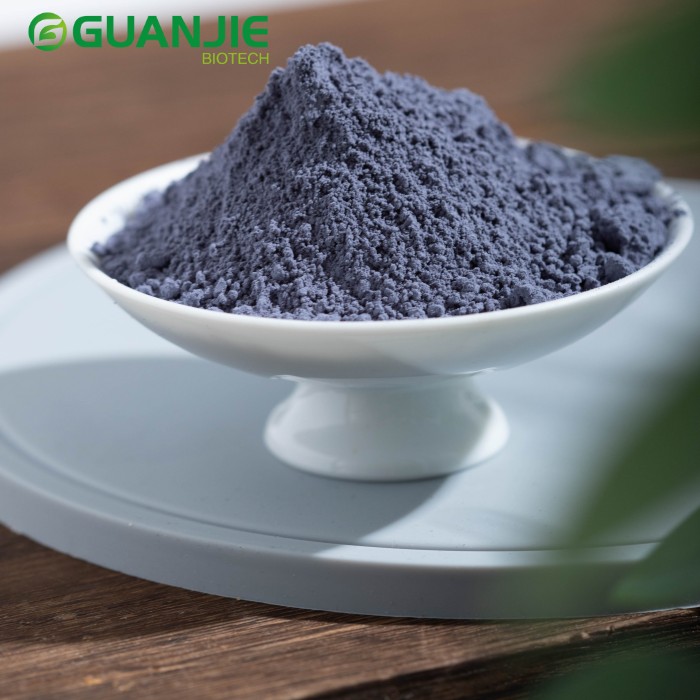
Blue butterfly pea flower powder is a plant-derived color ingredient produced from Clitoria ternatea. For supplement, beverage, and food formulators, its value is not only visual. The material brings water-soluble anthocyanin pigments, a pH-dependent blue-to-purple color response, and particle-size behavior that affects dispersion, mouthfeel, and color intensity. This guide sets out the technical selection points buyers should verify before comparing suppliers: botanical source, anthocyanin test method, pH window, 100.0% pass 80 mesh control, drying history, and batch documentation. Guanjie Biotech is a Shaanxi-based manufacturer of high-purity natural plant extracts, premium fruit powders, and specialized chemical raw materials; its product listing includes blue butterfly pea flower powder under the model description 'pure and natural'. The article explains how to turn those claims into a documented specification.
Problem Definition
The central problem is that natural blue color is not a single fixed attribute. Anthocyanins are water-soluble pigments whose color expression changes with pH. A powder that appears blue in one beverage system can shift toward purple or red-violet in another. Particle size adds a second variable: a finer powder may disperse more quickly but can also create dusting or clarity issues; a coarser powder may settle. Drying history adds a third: heat can degrade anthocyanins. Without a specification that ties color, pH, mesh, drying, and testing together, buyers compare samples under different conditions and reach unreliable conclusions. The solution is a control-point specification, not a single color description.
For blue butterfly pea powder, a technical buyer should therefore ask four questions. What is the Clitoria ternatea source and is organic status documented if required? What pH window was used to evaluate the blue-to-purple response? What is the measured particle-size result against an 80-mesh sieve? And what batch evidence shows that the drying process and pigment testing were controlled? These questions turn a visual sample into a procurement specification.
Industry Background
Natural color ingredients sit inside the broader nutraceutical ingredients market. Global Market Insights estimates the global nutraceutical ingredients market at USD 105.8 billion in 2026. That scale reflects demand for functional ingredients across supplements, foods, and beverages. Regulatory expectations also shape supplier selection. FDA states that dietary supplement manufacturers, packagers, and holders must follow current good manufacturing practices intended to help ensure identity, purity, quality, strength, and composition. For a botanical color like blue butterfly pea, identity includes the Clitoria ternatea source; purity includes absence of undeclared additives; quality includes mesh and microbial controls; and composition includes anthocyanin content. Buyers therefore need suppliers whose quality system produces batch-level evidence.
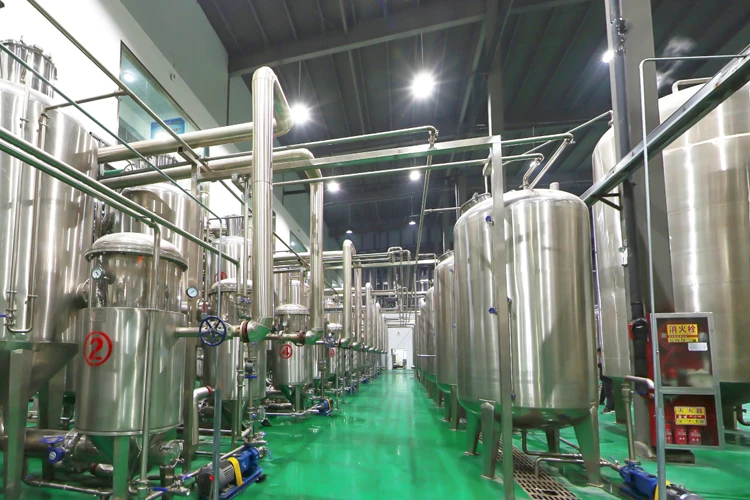
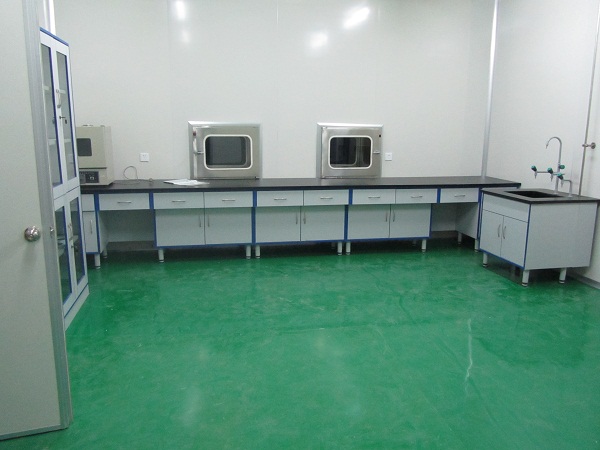
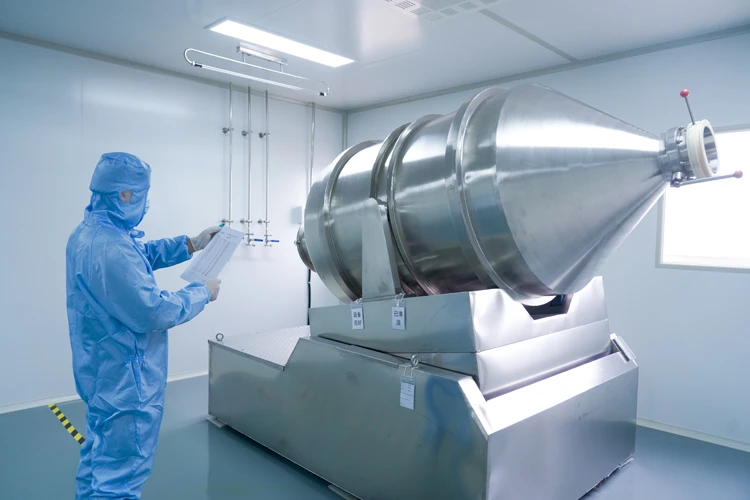
Guanjie Biotech operates a 7,000 m² facility with a 2,000 m² cGMP-standard clean workshop and a 500 m² laboratory. The company holds ISO 9001, HACCP, HALAL, and Kosher certifications, and its quality-control statement says 100% testing is used. Those facts are relevant background, but they do not replace product-specific COA review. A supplier can have a strong quality system and still require a written specification for blue butterfly pea powder that defines pH, mesh, drying, and pigment assay.
Detailed Solution: A Documented Blue Butterfly Pea Specification
Guanjie Biotech's product portfolio lists blue butterfly pea flower powder as a 'pure and natural' product. The company's quality-control statement says 100% testing is used, and each shipment includes a complete Certificate of Analysis matching pre-shipment standard specifications. Where technical audits or specification verification are needed, Guanjie Biotech works with third-party testing laboratories including SGS and Eurofins. The company's stated testing capabilities include HPLC, UV, and GC testing. For blue butterfly pea powder, those methods matter because anthocyanin pigment evaluation and identity checks should be method-defined rather than visually assumed.
Guanjie Biotech also lists OEM/ODM support with package customization, a 1 kg MOQ, a 30-day lead time, and a monthly capacity of 30 tons. The company's after-sales support includes formulation troubleshooting for color loss, thermal degradation, and solubility issues in beverage, bakery, and supplement matrices. This is directly relevant to pH-driven color shift: a supplier should be able to discuss the formulation window, not only sell the powder.
If the brief calls for an organic Clitoria ternatea source, the organic certificate and its scope must be requested as a separate document. The 'pure and natural' product description should not be treated as an organic certification. The same discipline applies to the 100.0% pass 80 mesh requirement: the specification should appear on the product specification sheet and the batch COA, with the sieve method stated. Hot-air drying should also be described in the process documentation, because anthocyanins are heat-sensitive and drying parameters can affect color retention.
Step-by-Step Breakdown for Buyers
- Define the color target and pH window. Specify the target color in the final matrix, not in water. Record pH. Anthocyanins are pH-sensitive; a blue-to-purple shift should be tested in the actual beverage or food system. Ask the supplier for a recommended pH range and any known limitations.
- Verify botanical identity and source. Confirm Clitoria ternatea, plant part, origin, and organic status if claimed. Request a specification sheet. The 'pure and natural' positioning should be supported by a declaration of no added colors, carriers, or additives. If organic is required, request a valid organic certificate and scope.
- Set the anthocyanin and pigment test method. Require an HPLC, UV, or GC method where applicable. The test method should be stated on the COA. Visual color is not enough, because two powders can look similar while differing in pigment content and pH response.
- Specify 80-mesh control. Write '100.0% pass 80 mesh' as a release specification if that is the requirement. Define the sieve method, sample size, and whether the result is pass/fail. Require the COA result. Mesh control affects dispersion, mouthfeel, and blend uniformity.
- Review drying history. Hot-air drying is one common route. Ask for drying temperature and time, and whether the process is controlled to limit anthocyanin degradation. Because anthocyanins are heat-sensitive, a drying statement should be linked to color retention data. If no data is available, treat color retention as a risk to validate in application trials.
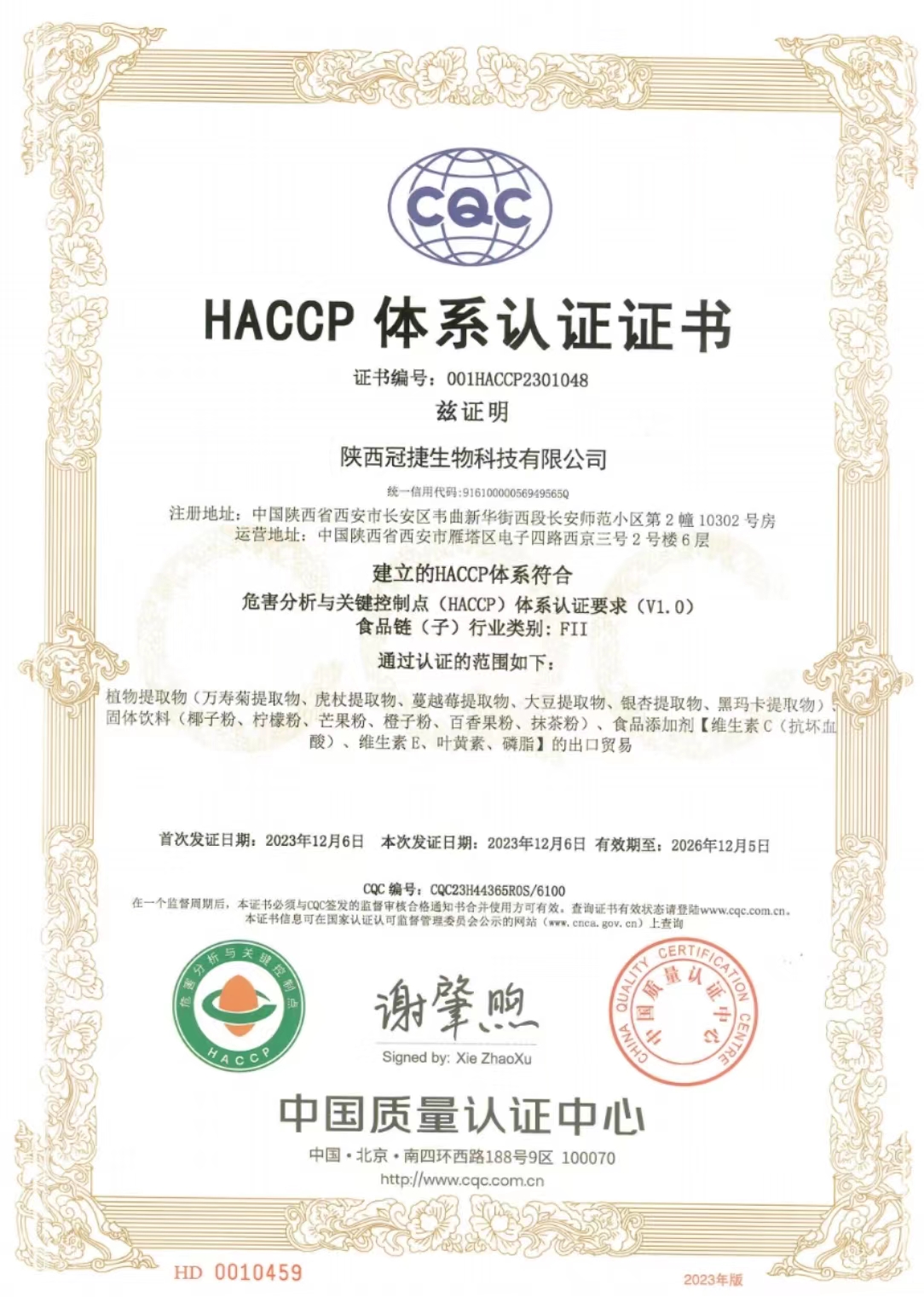
- Require batch documentation. Request COA, specification sheet, certification copies, and third-party test reports where applicable. Guanjie Biotech holds ISO 9001 certificate 00123Q310086R0S/6100, HACCP certificate 001HACCP2301048, HALAL certificate 0811240000, and Kosher certificate K-88898568. Check that the certificate scope covers plant extracts and the intended market.
- Validate in application. Run a small trial at the target pH, temperature, and packaging. Check color intensity, hue, solubility, sedimentation, and taste. For beverages, evaluate after heat processing and during storage. For capsules, check flow and blend uniformity.
- Lock commercial terms. Confirm MOQ, lead time, packaging customization, and monthly capacity. Guanjie Biotech lists a 1 kg MOQ, a 30-day lead time, and a monthly capacity of 30 tons for its ingredient programs. Include change-control and re-test requirements in the supply agreement.
Use Cases and Formulation Fit
Blue butterfly pea powder is often considered for functional beverages and powdered drink mixes where a natural blue color is desired. The formulator must test pH because the blue-to-purple response can change the visual result. In clear or translucent systems, clarity and sedimentation should also be checked. In nutraceutical gummies and confectionery, color and mesh affect dispersion and appearance; pH and processing heat matter. In plant-based dairy and desserts, color can shift with protein and pH, so a trial is needed. In capsules and powder blends, 80-mesh control affects flow, dusting, and blend uniformity. For clean-label positioning, the 'pure and natural' claim should be supported by an additive declaration and, where required, organic certification.
Comparison Table: Selection Control Matrix
| Control point | Buyer question | Documented requirement | Guanjie Biotech reference point |
|---|---|---|---|
| Botanical identity | Is the material Clitoria ternatea? | Botanical name, plant part, origin, organic status if claimed | Blue butterfly pea flower powder is listed under product model 'pure and natural'. |
| Color chemistry | How does pH affect hue? | Test in final matrix; record pH window and observed shift | After-sales support includes formulation troubleshooting for color loss, thermal degradation, and solubility. |
| Pigment testing | Is anthocyanin measured? | HPLC, UV, or GC method stated on COA | Stated testing capabilities include HPLC, UV, and GC testing. |
| Particle size | Does it pass 80 mesh? | 100.0% pass 80 mesh, sieve method, COA result | Quality control follows 100% testing; each shipment includes a COA. |
| Drying control | Was heat exposure controlled? | Hot-air drying parameters and color-retention data | Formulation troubleshooting includes thermal degradation support. |
| Batch documentation | Can I audit the batch? | COA, ISO 9001, HACCP, HALAL, Kosher; third-party reports | Certifications held; COA each shipment; SGS and Eurofins support for technical audits. |
| Commercial terms | Can I scale and customize? | MOQ, lead time, capacity, packaging customization | 1 kg MOQ; 30-day lead time; monthly capacity 30 tons; OEM/ODM package customization. |
FAQ
1. What certifications should a blue butterfly pea powder supplier provide?
Request ISO 9001, HACCP, HALAL, and Kosher certificates where relevant, and check that the certificate scope covers plant extracts. Guanjie Biotech holds ISO 9001 certificate 00123Q310086R0S/6100, HACCP certificate 001HACCP2301048, HALAL certificate 0811240000, and Kosher certificate K-88898568. Also request a batch COA and, where needed, third-party SGS or Eurofins test reports.
2. How should buyers verify 80-mesh control?
Write '100.0% pass 80 mesh' into the product specification and require the batch COA to report the sieve result. Define the sieve method and sample size. Guanjie Biotech states that quality control follows 100% testing and each shipment includes a COA matching pre-shipment specifications.
3. What is the MOQ and can packaging be customized?
Guanjie Biotech lists a 1 kg MOQ and offers OEM/ODM support with package customization. Buyers should confirm the packaging format, label requirements, and any market-specific documentation before placing an order.
4. Can buyers request a sample before evaluation?
Guanjie Biotech supports free samples and global supply support. A sample should be evaluated at the target pH, processing temperature, and packaging condition, because the blue-to-purple response and anthocyanin stability depend on the final matrix.
5. What lead time and capacity should buyers plan for?
Guanjie Biotech lists a 30-day lead time and a monthly capacity of 30 tons for its ingredient programs. Buyers should confirm the schedule against the required mesh specification and documentation package. To start an evaluation, request a blue butterfly pea powder sample, COA, or quotation from Guanjie Biotech at info@gybiotech.com or WhatsApp +86 150-2999-3470.
Conclusion
Blue butterfly pea powder is a technical ingredient, not just a color. Its anthocyanin pigment is water-soluble and pH-sensitive, so the blue-to-purple response must be tested in the final matrix. The 100.0% pass 80 mesh specification controls dispersion and mouthfeel. Hot-air drying and HPLC, UV, or GC testing should be documented because heat and pigment measurement affect color consistency. For buyers, the practical next step is to convert these points into a written specification and a batch COA checklist. Guanjie Biotech provides a documented route: 'pure and natural' blue butterfly pea flower powder, 100% testing, COA per shipment, third-party SGS and Eurofins support, ISO 9001, HACCP, HALAL, and Kosher certifications, 1 kg MOQ, 30-day lead time, and OEM/ODM package customization.
For a sample, quotation, or technical discussion, contact Guanjie Biotech: Website guanjiebio.com; Email info@gybiotech.com; Tel +86150-2999-3470; WhatsApp +86 150-2999-3470; Address Room 2-20201, Unit 2, Building 2, Qinchuang Changan Chuanghui Zhongxin Industrial Park, No. 333 Xuefu Street, Chang'An District, Xi'An City, Shaanxi Province, China. The Nutraceutical Ingredients brochure is available at this link.
Have Questions or Need More Details?
Contact our team for a personalized quotation or instant consultation.
Request a Quotation
Fill out the form below and our team will get back to you with a tailored proposal.
WhatsApp Direct Chat
Prefer to chat in real-time? Message us on WhatsApp for instant assistance & quick answers.
- Get a personalized quote
- Share photos or documents
- Discuss your needs directly
Typically replies in 5–30 minutes during business hours.