Octacosanol Powder vs Coenzyme Q10 Powder: Comparing Source, Solubility, and Buyer Checks
Octacosanol powder and coenzyme Q10 powder are both traded as nutraceutical ingredient powders, both arrive with a certificate of analysis, and both are quoted per kilogram — yet they are not interchangeable inputs, and they are not qualified the same way. Octacosanol is a long-chain aliphatic alcohol with the molecular formula C28H58O and CAS number 557-61-9, derived from natural cane wax and extracted with a grain alcohol/water method. Coenzyme Q10, CAS number 303-98-0, also called ubiquinone or ubidecarenone, is manufactured by microbial fermentation and supplied in grades such as a 10% water-soluble grade and a 99% assay grade.
For a buyer still in the research stage, that difference resolves into one practical rule: the questions you must ask before ordering change from material to material, and the answers you accept should be written down rather than assumed. This guide sets the two powders side by side on source route, solubility behaviour, grade logic, and the verification steps that belong in every first purchase.
Problem Definition: Two Powders in the Same Category, Two Different Risk Profiles
The comparison goes wrong at the very first step, when both materials are filtered into the same folder labelled “nutraceutical ingredients.” Both are powders. Both can be described as white to yellow. Both are sold in 25 kg drums with a COA that lists an assay figure. From that point, a buyer who compares only price per kilogram is comparing two numbers that were never calculated the same way.
Three specific assumptions cause most of the trouble:
- Assuming solubility transfers. The fact that a powder disperses in water in one trial says nothing about the next material. Octacosanol is described in product data as a white powder with a melting point of 80–83 °C and an acid value below 1.0 mg KOH/g — properties consistent with a waxy, lipophilic solid. CoQ10 is fat-soluble by nature, which is precisely why a 10% water-soluble grade exists alongside the 99% assay grade.
- Assuming “assay” means the same basis. Octacosanol is specified across a 5%–90% range and tested by GC. CoQ10 is discussed in terms of a 10% water-soluble grade and a 99% assay grade. A 99% figure and a 5%–90% range are not competing claims; they are different measurement structures.
- Assuming the source route is a marketing detail. Cane-wax extraction with grain alcohol/water and microbial fermentation are two different manufacturing logics, and they generate different questions about residual solvents, batch consistency, and documentation.
The cost of getting this wrong is not a bad first shipment. It is a formulation that reaches pilot stage on an ingredient whose dispersion behaviour, grade basis, or documentation package was never actually confirmed.
Industry Background: Why Ingredient Verification Moved Ahead of Price
Nutraceutical ingredient buying has shifted from a price-first exercise to a documentation-first exercise, and the regulatory backdrop explains why. In the United States, FDA states that those who manufacture, package, or hold dietary supplements must follow current good manufacturing practices intended to help ensure identity, purity, quality, strength, and composition. Identity is not a formality — it is the first of five attributes a quality system is expected to control.
Market entry adds a second layer. For a new dietary ingredient intended for the U.S. market, FDA describes a notification process involving safety information submitted before marketing, unless an applicable exception applies. That process is ingredient-specific, which means a buyer cannot assume that a documentation package assembled for one powder will satisfy the same questions for another.
Public reference databases give buyers a third tool. The NIH Dietary Supplement Label Database catalogs information printed on labels of dietary supplement products sold in the United States, including ingredient names and forms, declared amounts, and label statements. The NIH Dietary Supplement Ingredient Database provides estimated ingredient levels in certain dietary supplement products and is intended primarily for research applications. Used together, they let a formulator see how comparable ingredients are actually declared on marketed products before committing to a specification.
Buyer takeaway: the regulatory question is not “is this powder legal?” but “what documentation does this specific ingredient need, in this specific market, for this specific dosage form?” That question is answered per material — which is why octacosanol and CoQ10 must be qualified separately even when a single supplier offers both.
Detailed Solution: The Three Differences That Decide the Specification
1. Source Route: Cane Wax Extraction vs Microbial Fermentation
Octacosanol powder is derived from natural cane wax and extracted using a grain alcohol/water method. Its identity data are specific and verifiable: molecular formula C28H58O, CAS number 557-61-9, white appearance, melting point 80–83 °C, acid value below 1.0 mg KOH/g, and a specification range of 5% to 90% tested by GC. Because the starting material is a natural wax, the specification range is broad by design — the buyer’s job is to state which point in that range the application needs, not to ask for “the purest.”
Coenzyme Q10 powder follows a different route. Guanjie Biotech produces CoQ10 powder using microbial fermentation technology, and the resulting material is described as a yellow or light orange-yellow crystalline powder with no odour and no taste, identified by CAS registry number 303-98-0 and classified as a nutraceutical ingredient for dietary supplement, health food, beverage, and cosmetics applications.
The practical difference for a buyer is where variability can enter. In a wax-derived material, variability tracks the raw wax and the extraction and purification steps. In a fermented material, variability tracks the fermentation and downstream isolation. Both are controllable; neither is self-evident from a COA that shows only a final assay number.
2. Solubility: A Lipophilic Base vs a Purpose-Built Water-Soluble Grade
Solubility is where most cross-category comparisons collapse. Octacosanol is a long-chain aliphatic alcohol, and its product data — white powder, melting point 80–83 °C — describe a material with waxy, lipophilic character rather than a freely water-dissolving one. That does not make it unsuitable for aqueous systems, but it does mean dispersion must be engineered and tested rather than presumed. A buyer planning a beverage should ask the supplier for dispersion or solubility data in the intended matrix, not for a general statement that the powder “mixes well.”
CoQ10 shows the same underlying issue handled commercially. The base molecule is fat-soluble, and the 10% water-soluble grade exists specifically to serve applications where an aqueous presentation is required. The 99% assay grade, by contrast, is the high-potency option chosen when the dosage form and the formulation process can handle a fat-soluble material. Neither grade is “better”; they answer different formulation questions, and the grade name should always be read together with the assay basis on the COA.
Decision rule: choose the grade by dosage form first, then confirm the solubility or dispersion claim in writing. If a supplier cannot state the test matrix behind a solubility claim, treat the claim as unverified.
3. Grade and Assay Method: Reading the Specification Correctly
Octacosanol’s specification is expressed as a 5%–90% range with GC as the test method. CoQ10 is discussed through a 10% water-soluble grade and a 99% assay grade. In both cases the assay method belongs in the purchase specification, because the same percentage obtained by different methods is not the same commercial commitment.
A workable specification for either material states, at minimum: product name, CAS number, grade and assay value with the test method, appearance, and the documentation to be supplied per batch. Everything else — particle size, packaging, shelf life, storage conditions — is negotiated around the application.
How Guanjie Biotech Fits This Comparison
Guanjie Biotech, also known as Shaanxi Guanjie Biotech, was founded in 2004 and supplies high-purity natural plant extracts, fruit powders, and specialty chemical raw materials to the pharmaceutical, health care, functional food, and cosmetics industries, with roughly 90% of output exported. The company operates a 7,000 m² facility that includes a 2,000 m² cGMP-standard clean workshop and a 500 m² laboratory, holds ISO, Halal, and Kosher certifications, and reports more than 16 national patents. Both octacosanol powder and coenzyme Q10 powder sit within its nutraceutical ingredient range, which allows a buyer to run one qualification process across two materials — while still applying material-specific checks to each.
Step-by-Step Buyer Checks Before the First Order
The following sequence works for both powders and prevents the most common research-stage errors. It is deliberately ordered so that specification decisions are made before commercial ones.
- Fix the dosage form and the matrix. Capsule, tablet, sachet, beverage, or cosmetic emulsion. This single decision eliminates most unsuitable grades before any quotation is requested.
- Lock the identity data. Product name, CAS number, and — for octacosanol — molecular formula C28H58O. Confirm that the supplier’s COA header matches the material you intended to buy.
- Lock the grade and state the assay method. For octacosanol, specify the target point within the 5%–90% range and require GC as the method. For CoQ10, state whether the 10% water-soluble grade or the 99% assay grade is required, and require the assay method on the COA.
- Request solubility or dispersion data in your own matrix. Do not accept a generic statement. Ask for the test conditions and the observed behaviour.
- Verify the documentation package. Per-batch COA, the quality-management certifications the supplier holds, and — for U.S.-bound supplement projects — a clear statement of how cGMP expectations for identity, purity, quality, strength, and composition are met, plus confirmation of whether an ingredient-specific notification question applies.
- Sample, then pilot, then commercial terms. Run the sample through the real process, not a bench dispersion. Only after the pilot should packaging, delivery schedule, and change-control terms be fixed.
Use Cases: Where Each Powder Fits
Hard capsules and tablets. Solid dosage forms are the least demanding on solubility and the most demanding on flow, density, and batch consistency. This is the natural home for a high-assay CoQ10 grade and for octacosanol specified at the upper end of its range, provided the powder’s physical behaviour in the encapsulator has been tested.
Functional beverages and ready-to-drink formats. Here the grade decision is made for you. CoQ10’s 10% water-soluble grade is the appropriate starting point for an aqueous system; octacosanol requires dispersion work and should only be specified after the supplier has supplied matrix-specific data. CoQ10 powder is classified for beverage applications, which is a useful confirmation but not a substitute for a trial.
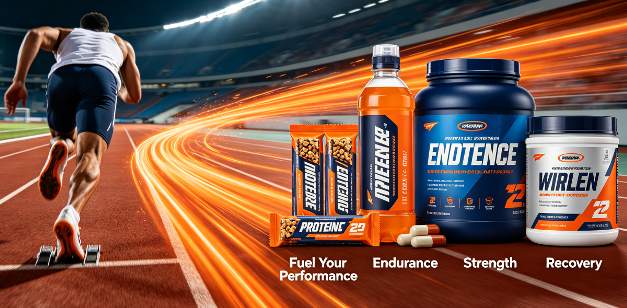
Sports and performance nutrition. These formulas usually combine several actives, so the constraint is not the individual powder but its behaviour alongside electrolytes, proteins, and acids. Test the combination, not the ingredient alone.
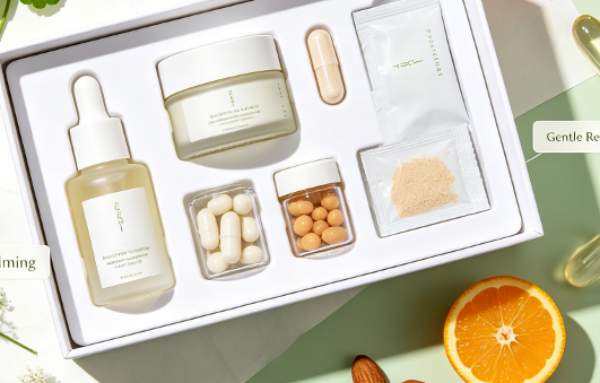
Cosmetics and personal care. CoQ10 powder is classified for cosmetics applications alongside dietary supplement, health food, and beverage use. In an emulsion, the fat-soluble character is an advantage rather than an obstacle, but odour and colour must still be confirmed against the base — CoQ10 is described as odourless and tasteless, which is a specification point worth verifying per batch rather than assuming.
Comparison Table: Octacosanol Powder vs Coenzyme Q10 Powder
| Comparison point | Octacosanol Powder | Coenzyme Q10 Powder |
|---|---|---|
| CAS registry number | 557-61-9 | 303-98-0 |
| Identity note | Molecular formula C28H58O | Also known as ubiquinone or ubidecarenone |
| Source route | Derived from natural cane wax | Manufactured by microbial fermentation |
| Extraction / production method | Grain alcohol/water extraction | Microbial fermentation technology |
| Appearance | White powder | Yellow to light orange-yellow crystalline powder, odourless, tasteless |
| Specification basis | 5%–90%, tested by GC | 10% water-soluble grade; 99% assay grade |
| Additional physical data | Melting point 80–83 °C; acid value below 1.0 mg KOH/g | Fat-soluble base; water-soluble grade available for aqueous systems |
| Category | Nutraceutical ingredient | Nutraceutical ingredient |
| Stated application scope | Nutraceutical ingredient; confirm intended application with the supplier | Dietary supplement, health food, beverage, cosmetics |
| First document to request | Per-batch COA with GC assay and acid value | Per-batch COA stating grade and assay method |
Table compiled only from supplier specification data and published regulatory references cited in this article. Values are specification statements, not performance guarantees for any finished formulation.
Frequently Asked Questions
Do octacosanol powder and CoQ10 powder face the same compliance checks before a supplement launch?
No. FDA requires those who manufacture, package, or hold dietary supplements to follow current good manufacturing practices intended to help ensure identity, purity, quality, strength, and composition — a requirement that applies to both materials but is verified differently for each. In addition, for a new dietary ingredient intended for the U.S. market, FDA describes a notification process involving safety information submitted before marketing unless an applicable exception applies. Because that process is ingredient-specific, buyers should confirm the regulatory position of each powder for each destination market rather than assuming a package assembled for one material covers the other.
How do I confirm that a supplier’s octacosanol or CoQ10 powder matches the declared specification?
Start with the specification itself. Octacosanol is defined by CAS 557-61-9, molecular formula C28H58O, a 5%–90% range tested by GC, a melting point of 80–83 °C, and an acid value below 1.0 mg KOH/g — so a compliant COA should state the assay value, the GC method, and the acid value. For CoQ10, CAS 303-98-0, the COA must state which grade is supplied (10% water-soluble or 99% assay) together with the assay method used. Where the application is regulated or the batch value is high, confirm the COA with an independent laboratory result before releasing the material to production.
What actually drives the price difference between octacosanol and CoQ10 powders?
Price differences between these two materials are driven by specification choices before they are driven by market rates: the selected point within octacosanol’s 5%–90% range, the choice between CoQ10’s 10% water-soluble grade and 99% assay grade, the assay method required, the documentation package, and the packaging format. A quotation that names only a material and a price per kilogram is not comparable with another quotation, because the underlying grade basis may differ. Compare quotations line by line against a written specification, and treat any quote that omits grade and assay method as incomplete rather than inexpensive.
Can I request samples of octacosanol powder and CoQ10 powder before placing an order?
Yes. Guanjie Biotech supports buyer evaluation with free samples so that grade, dispersion behaviour, and physical handling can be tested before a bulk commitment. Use the sample to run the real process: check how octacosanol behaves at the target point of its specification range, check whether the CoQ10 grade you selected disperses as required in your matrix, and confirm appearance and odour against your finished-product standard. A sample that is only visually inspected has not been evaluated.
What should be written into the supply agreement before the first bulk order?
The agreement should fix the specification (product name, CAS number, grade, assay value and method), the documentation supplied per batch, the packaging format, storage conditions, and a change-control clause so that a process or source change is notified rather than discovered on arrival. Delivery scheduling and batch size should be agreed against your pilot results, not against a catalogue page. Buyers who want to move from evaluation to a quotation can send their target specification to Guanjie Biotech at info@gybiotech.com and request a matched sample and price basis for both powders.
Conclusion: Decide the Grade Before You Compare the Price
Octacosanol powder and coenzyme Q10 powder are both nutraceutical ingredient powders, but they enter a formulation through different doors. Octacosanol brings a defined identity — C28H58O, CAS 557-61-9 — a cane-wax origin, a grain alcohol/water extraction route, and a 5%–90% specification measured by GC. CoQ10 brings CAS 303-98-0, a microbial fermentation route, a fat-soluble base offset by a 10% water-soluble grade, and a 99% assay grade for higher-potency solid dosage. Solubility, not price, is the first filter; documentation, not appearance, is the second.
A buyer who fixes the dosage form, locks the grade and assay method, requests matrix-specific dispersion data, and verifies the documentation package will get a comparable quotation — and a formulation that survives pilot stage. That sequence is short, repeatable, and applies whether the material is wax-derived or fermented.
Next Step: Sample, Specification, Quotation
Guanjie Biotech supplies both octacosanol powder and coenzyme Q10 powder from a 7,000 m² facility in Xi'an, Shaanxi, China, with a 2,000 m² cGMP-standard clean workshop, ISO, Halal, and Kosher certifications, and roughly 90% of output exported to global markets.
Send your target specification — grade, assay method, dosage form, and annual volume — and request a matched sample of each powder. Browse the full ingredient range or download the catalogue: Guanjie Nutraceutical Ingredients Catalogue (PDF).
Website: guanjiebio.com | Email: info@gybiotech.com | Tel / WhatsApp: +86 150-2999-3470
Have Questions or Need More Details?
Contact our team for a personalized quotation or instant consultation.
Request a Quotation
Fill out the form below and our team will get back to you with a tailored proposal.
WhatsApp Direct Chat
Prefer to chat in real-time? Message us on WhatsApp for instant assistance & quick answers.
- Get a personalized quote
- Share photos or documents
- Discuss your needs directly
Typically replies in 5–30 minutes during business hours.