Mushroom Extract Powder: Beta-Glucan & Water Extraction
Mushroom Extract Powder in Immune-Health Supplements: Beta-Glucan and Water Extraction
Answer first: For immune-health supplement development, Mushroom Extract Powder from Guanjie Biotech is a water-extracted botanical ingredient supplied as a brown powder with a 30%–80% assay range and HPLC/UV assay methods. Its specification is relevant to dietary supplement, health food, beverage, and cosmetic applications. The buying decision should not stop at the phrase beta-glucan; buyers should confirm whether the specification refers to beta-glucan or total polysaccharide, which assay method is used, how water extraction is documented, and which batch COA and certification records accompany the lot. This article discusses specification and application logic, not clinical efficacy.
Problem Definition: Why Beta-Glucan Language Needs a Specification Check
In immune-health supplement sourcing, mushroom ingredients are often described with broad terms such as beta-glucan, polysaccharide, mushroom extract, or standardized extract. These terms are useful for product positioning, but they are not interchangeable as purchase specifications. Beta-glucan is a polysaccharide fraction. A supplier specification that states total polysaccharide content does not automatically prove a beta-glucan content unless the analytical method is specific to that fraction.
The practical sourcing problem is therefore document alignment. A buyer may receive a product named Mushroom Extract Powder, a declared assay range, an assay method, and a COA. The same buyer still needs to know whether the assay is measuring beta-glucan, total polysaccharide, or another marker; whether the method is HPLC, UV, or another validated method; and whether the extraction route is water-based as stated. Without that alignment, two quotations can look similar on the first page and differ materially in the specification that reaches the finished supplement.
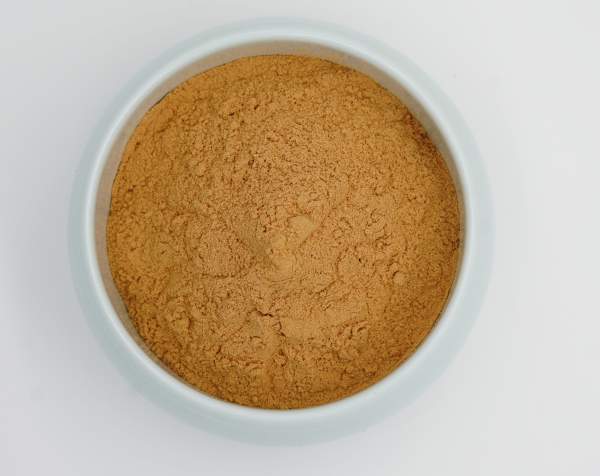
Guanjie Biotech’s Mushroom Extract Powder product data lists an assay range of 30%–80%, assay methods of HPLC and UV, a brown powder appearance, and a water-based extraction method. The same product data describes polysaccharide content from 30% to 80% and a wide mushroom-derived product range. For a formulator, this is the starting point for a specification dialogue, not the end of due diligence.
Industry Background: Nutraceutical Ingredients and Immune-Health Formulation
The nutraceutical ingredients market is large and globally supplied. Global Market Insights Inc. estimates the global nutraceutical ingredients market at USD 105.8 billion in 2026. Within that broad market, immune-health supplement concepts commonly use botanical ingredients, vitamins, minerals, amino acids, and other bioactive inputs. Mushroom-derived ingredients are one part of the botanical ingredient portfolio, and their commercial value depends on clear identity, standardized assay, reproducible batch documentation, and application fit.
Regulatory expectations also shape sourcing. The U.S. Food and Drug Administration states that dietary supplement manufacturers, packagers, and holders must follow current good manufacturing practices intended to help ensure identity, purity, quality, strength, and composition. For B2B buyers, that requirement translates into practical document requests: specification sheets, batch COAs, certification records, and a clear description of the ingredient form. Official databases such as the NIH Dietary Supplement Label Database can also help buyers study how ingredients are declared on finished-product labels, but they do not replace supplier-specific COAs or certificate verification.
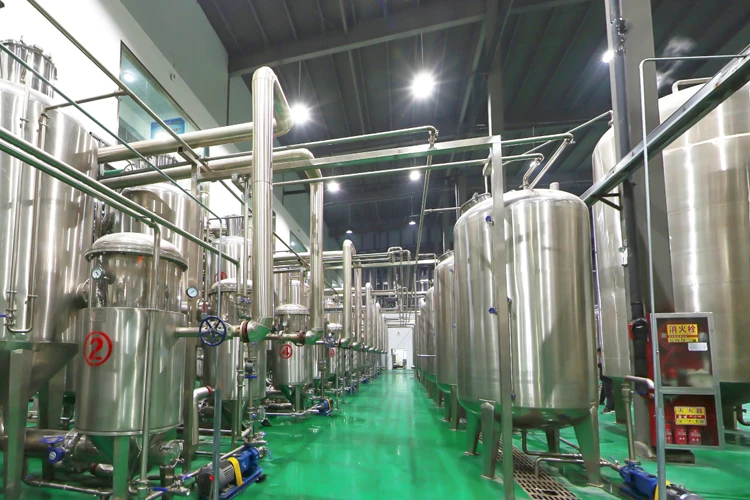
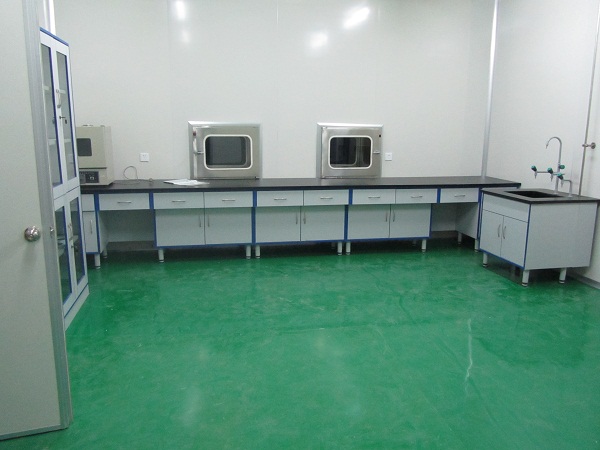
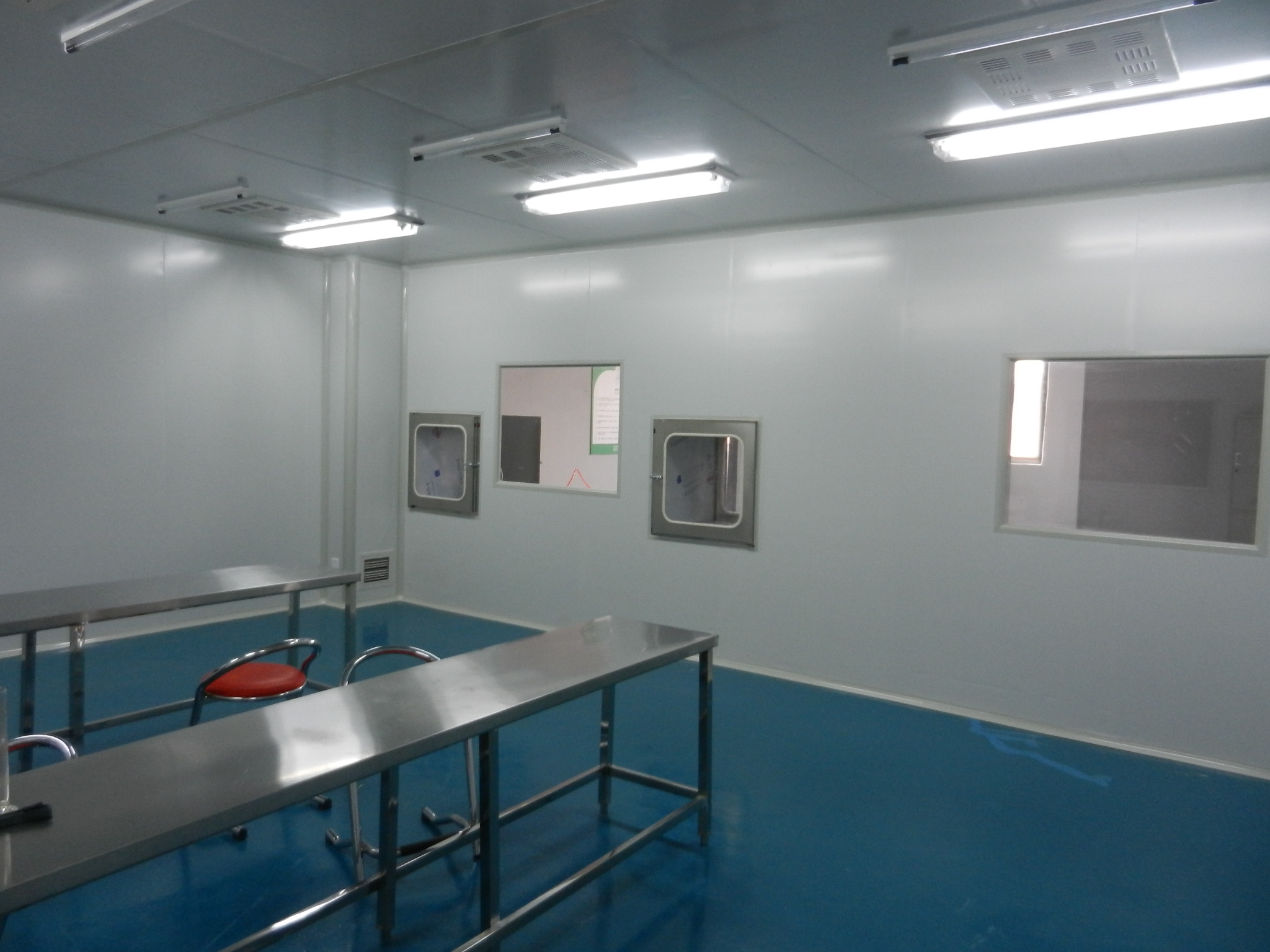
Guanjie Biotech is a China-based nutraceutical ingredients supplier founded in 2004. Its company profile describes a 7,000 m² footprint, a 2,000 m² cGMP-standard clean workshop, a 500 m² laboratory, 40 employees, 7 engineers, and an annual output of 500 tons. The company reports an export ratio of 90% and supplies markets that include Denmark, Uruguay, Russia, Bulgaria, Canada, Hungary, Indonesia, Ecuador, Colombia, Turkey, Mexico, Austria, Paraguay, Brazil, Greece, Germany, Italy, Latvia, Norway, Brunei Darussalam, Slovakia, Singapore, New Zealand, Japan, Chile, Cambodia, Belgium, Saudi Arabia, France, Poland, Thailand, Australia, Ireland, Sweden, Switzerland, Peru, Finland, the United Kingdom, the Netherlands, the Philippines, Portugal, Spain, Vietnam, the United Arab Emirates, Argentina, South Korea, and Malaysia.
Detailed Solution: Water Extraction, Beta-Glucan Assay Logic, and Standardized Botanical Use
The assigned solution for this ingredient is not a clinical claim. It is a specification and application solution for supplement manufacturers that need a mushroom-derived botanical powder with documented assay and extraction information. Guanjie Biotech’s Mushroom Extract Powder is listed with model NATURAL and type Mushroom Extract Powder. The stated parameters are an assay of 30%–80%, assay methods of HPLC and UV, and a brown powder appearance. The product is listed for dietary supplement, health food, beverage, and cosmetic applications.
Water-based extraction
Water-based extraction is the extraction method listed in the Guanjie Biotech product data. For buyers, the water extraction statement should be treated as a specification item that needs to appear consistently in the technical data sheet, quotation, and batch COA. A water extraction route is an aqueous process; it does not by itself confirm assay, purity, microbial status, heavy-metal status, or finished-product performance. Those points require batch-level documents and, where needed, third-party testing.
The water extraction statement is also a useful differentiator in supplier conversations because it forces clarity. A buyer can ask: Is water the only extraction solvent listed? Is the extraction method stated on the COA or only in marketing material? Does the assay method match the extraction route? These questions help prevent a situation where the purchase order says one process and the received lot is documented with another.
Beta-glucan and polysaccharide assay logic
Beta-glucan is a polysaccharide, but a total polysaccharide assay is not automatically a beta-glucan assay. This distinction matters in immune-health supplement development because product labels, claims, and formulation targets may use different language. The Guanjie Biotech Mushroom Extract Powder specification lists HPLC and UV as assay methods and a 30%–80% assay range. The product data also describes polysaccharide content of 30%–80% from a water-based extraction method.
For a buyer, the correct specification question is therefore: What exactly is the declared assay measuring, and which method is used for that analyte? If the finished-product target is beta-glucan, the COA should state the beta-glucan method and result. If the target is total polysaccharide, the COA should state the polysaccharide method and result. HPLC and UV are analytical techniques; they should not be treated as interchangeable unless the supplier has validated the method for the same analyte and matrix.
Standardized botanical ingredient use
Standardization means that a botanical ingredient is supplied against a declared specification rather than an undefined “mushroom powder” description. For Mushroom Extract Powder, the declared assay range is 30%–80%, the appearance is brown powder, and the assay methods are HPLC and UV. Standardized botanical sourcing should connect that specification to the dosage form: capsule, tablet, powder sachet, functional beverage, or another supplement format.
Guanjie Biotech’s broader mushroom extract range includes Agrocybe Aegerita Polysaccharide, Chaga Polysaccharide, Agaricus Blazei Polysaccharide, Grifola Frondosa Polysaccharide, Hericium Erinaceus Polysaccharide, Phellinus Linteus Polysaccharide, Tremella Polysaccharide, Auricularia Polysaccharide, Shiitake Polysaccharide, Ganoderma Polysaccharide, Astragalus Polysaccharide, Oyster Mushroom Polysaccharide, as well as extracts from Morchella, Chanterelle, Turkey Tail, King Oyster, Enoki, Button Mushroom, Polyporus Umbellatus, Sparassis Crispa, Bamboo Fungus, Tremella Aurantialba, and Truffle. This range is useful for buyers comparing mushroom-derived options, but each selected material still requires its own specification, COA, and application check.
Step-by-Step Breakdown: How to Evaluate Mushroom Extract Powder for Immune-Health Supplements
- Define the finished dosage form and application. Confirm whether the project is a hard capsule, tablet, softgel, powder sachet, functional beverage, functional food, or another supplement format. Guanjie Biotech’s application data lists dietary supplements and hard capsules as a major segment, along with functional and fortified beverages, functional foods and confectionery, nutricosmetics, and sports and performance nutrition. The same data lists mixers, granulators, tableting machines, capsule filling machines, and beverage blending tanks as matched equipment.
- Write the assay specification before requesting quotations. State whether the target is beta-glucan, total polysaccharide, or another marker. For Guanjie Biotech’s Mushroom Extract Powder, the published assay range is 30%–80%, with HPLC and UV as assay methods. A quotation is only comparable when the assay definition and method are the same.
- Confirm the extraction route in writing. The product data lists a water-based extraction method. Ask for the extraction statement in the technical data sheet and confirm that the batch COA does not contradict it. If the project requires a different extraction route, that should be a separate specification discussion rather than an assumption.
- Request a batch COA and agree on acceptance criteria. Guanjie Biotech states that every shipment includes a complete Certificate of Analysis matching pre-shipment standard specifications, including purity, moisture, heavy metals, microbial limits, and active ingredients. The buyer should confirm that the COA includes the assay method, result, appearance, and the specification version used for release.
- Verify certification scope and validity. Guanjie Biotech holds ISO 9001:2015 certification number 00123Q310086R0S/6100 issued by China Quality Certification Centre (CQC), valid from 2023-12-07 to 2026-12-06. The HACCP certificate number is 001HACCP2301048, issued by CQC, valid from 2023-12-06 to 2026-12-05, with a scope covering export trade of plant extracts, solid beverages, and food additives; the HACCP certificate lists Mushroom Extract Powder in the covered product portfolio. The HALAL certificate number is 0811240000, issued by SHANDONG HALAL CERTIFICATION SERVICE (SHC), valid from 2024-11-08 to 2027-11-07, for global halal markets including Indonesia; Mushroom Extract Powder is included in the related product list. The Kosher certificate number is K-88898568, issued by Badatz Shatz (SKS), valid from 2026-07-15 to 2027-07-15, and covers the listed product portfolio including Mushroom Extract Powder.
- Run a sample and matrix trial. Test the powder in the intended dosage form. Review flow, blend uniformity, taste or color where relevant, and stability under the intended storage condition. Guanjie Biotech’s after-sales support includes batch COA and specification verification, third-party re-testing support with labs such as SGS and Eurofins when quality discrepancies arise, and formulation troubleshooting for processing challenges such as color loss, thermal degradation, or solubility issues in beverage, bakery, or supplement matrices.
- Confirm commercial terms and storage. The capability data lists OEM/ODM support, package customization, a MOQ of 1 kg, a lead time of 30 days, a monthly capacity of 30 tons, and 100% testing. The application data specifies storage in a cool, dry, dark place, sealed tightly after opening, avoiding high temperature and moisture. These terms should be written into the purchase order and warehouse instruction.
Use Cases: Where Mushroom Extract Powder Fits in Immune-Health Supplements
Hard capsules and tablets. Mushroom Extract Powder can be used as a raw material in capsule and tablet formulations. The application data lists dietary supplements and hard capsules as the largest market segment, with active raw materials formulated into capsules, tablets, softgels, and powder sachets for daily systemic health, immune support, cognitive function, and joint care. For this use, the buyer should confirm powder flow, blend compatibility, and the assay range that fits the finished-product target.
Powder sachets and functional beverages. The application data lists functional and fortified beverages as a formulation segment. A water-extracted mushroom powder may be considered for powder sachet or beverage concepts, but the formulator should test solubility, dispersion, taste, and thermal processing effects. The product’s water-based extraction statement is relevant here, but it does not replace a matrix trial.
Functional foods and confectionery. The application data also lists gummies, protein bars, fortified cereals, and functional snacks. These formats can impose processing and sensory constraints. A brown powder appearance should be evaluated against the target color and flavor system, especially in confectionery and beverage applications.
Immune-health positioning without clinical overreach. Mushroom Extract Powder can be positioned as a botanical ingredient for immune-health supplement development, but the article and the finished label should avoid unsupported clinical claims. The defensible language is specification language: water-extracted, 30%–80% assay, HPLC/UV assay methods, brown powder, batch COA, and applicable certification coverage. Clinical or structure-function claims require separate regulatory review and substantiation.
Comparison Table: Specification and Buyer Checks for Mushroom Extract Powder
| Decision point | Documented specification or fact | Buyer check before purchase |
|---|---|---|
| Product identity | Mushroom Extract Powder; model NATURAL; type Mushroom Extract Powder | Match product name, model, and specification version on the PO, COA, and label |
| Appearance | Brown powder | Compare the received lot against the approved appearance standard |
| Assay | 30%–80% | State whether the target is beta-glucan or total polysaccharide |
| Assay method | HPLC, UV | Require a method-specific COA and confirm the method used for the declared analyte |
| Extraction method | Water-based method | Request a written extraction statement and verify consistency with the COA |
| Applications | Dietary supplement, health food, beverage, cosmetics | Confirm dosage form, matrix, and processing conditions before the sample trial |
| Certification coverage | HACCP portfolio includes Mushroom Extract Powder; Kosher portfolio includes it; HALAL related product list includes it; ISO 9001:2015 company certification is held | Verify certificate numbers, scope, and validity dates against the purchase market |
| Quality control and commercial terms | 100% test; batch COA; third-party re-testing support with SGS and Eurofins; MOQ 1 kg; lead time 30 days; monthly capacity 30 tons; OEM/ODM package customization | Agree acceptance criteria, sampling plan, packaging, and delivery schedule in writing |
FAQ: Mushroom Extract Powder, Beta-Glucan, and Batch COAs
Are Guanjie Biotech’s Mushroom Extract Powder and related nutraceutical ingredients covered by cGMP, HACCP, Halal, and Kosher documentation?
Guanjie Biotech operates a 2,000 m² cGMP-standard clean workshop and provides batch COAs. Its listed third-party certifications include ISO 9001:2015 certificate 00123Q310086R0S/6100 issued by CQC, HACCP certificate 001HACCP2301048 issued by CQC, HALAL certificate 0811240000 issued by SHANDONG HALAL CERTIFICATION SERVICE (SHC), and Kosher certificate K-88898568 issued by Badatz Shatz (SKS). Mushroom Extract Powder is included in the HACCP-covered product portfolio, the Kosher-covered product portfolio, and the HALAL related product list. Buyers should still verify the specific certificate scope and validity date against their target market and purchase contract.
What beta-glucan or polysaccharide assay methods are listed for Mushroom Extract Powder?
The Guanjie Biotech Mushroom Extract Powder specification lists an assay range of 30%–80% and assay methods of HPLC and UV. The product data also describes polysaccharide content of 30%–80% from a water-based extraction method. For purchasing, the COA should state whether the result refers to beta-glucan, total polysaccharide, or another declared marker, and which analytical method was used for that result.
How should buyers evaluate water extraction for Mushroom Extract Powder?
Water-based extraction is the extraction method listed in the product data. Buyers should ask for the extraction statement in the technical data sheet, confirm that the batch COA is consistent with that statement, and test the powder in the intended dosage form. Water extraction is a process specification; it does not replace assay, microbial, heavy-metal, or stability testing.
What are the MOQ, lead time, and OEM/ODM options?
Guanjie Biotech’s capability data lists a MOQ of 1 kg, a lead time of 30 days, a monthly capacity of 30 tons, OEM/ODM support, package customization, and 100% testing. Buyers should confirm the final quotation, packaging format, and delivery schedule in writing before placing a purchase order.
How can a buyer verify a batch COA before ordering immune-health supplement ingredients?
Request a batch COA that matches the approved specification: product name, model, assay range, assay method, appearance, purity, moisture, heavy metals, microbial limits, and active ingredients where applicable. If a discrepancy appears on arrival, Guanjie Biotech’s after-sales support includes third-party re-testing support with labs such as SGS and Eurofins. To request a sample, quotation, or batch COA, contact Guanjie Biotech at info@gybiotech.com or WhatsApp +86 150-2999-3470.
Conclusion: Buy Mushroom Extract Powder on Specification, Not Just Terminology
Mushroom Extract Powder for immune-health supplements should be evaluated as a documented botanical ingredient. The relevant facts are concrete: Guanjie Biotech supplies Mushroom Extract Powder with a 30%–80% assay range, HPLC/UV assay methods, brown powder appearance, water-based extraction, and applications in dietary supplement, health food, beverage, and cosmetics. The company holds ISO 9001:2015, HACCP, HALAL, and Kosher documentation, and Mushroom Extract Powder is included in the HACCP, Kosher, and HALAL related product listings.
The key buying discipline is to separate beta-glucan language from total polysaccharide language, confirm the analytical method, verify the water extraction statement, and require a batch COA before release. Buyers who follow that sequence can compare quotations on the same basis and reduce specification risk in immune-health supplement projects.
Next Step: Sample, Quotation, or Batch COA
For formulation review, request a Mushroom Extract Powder sample, quotation, or batch COA from Guanjie Biotech. The company also provides OEM/ODM support, package customization, and formulation troubleshooting for global B2B buyers.
Email: info@gybiotech.com · WhatsApp: +86 150-2999-3470 · Website: guanjiebio.com
Download the Guanjie Nutraceutical Ingredients brochure for the broader ingredient portfolio.
This article is an ingredient specification and application guide. It does not provide medical advice or clinical claims. Certificate numbers, validity dates, and product specifications should be verified against the current documents provided for the specific quotation and batch.
Have Questions or Need More Details?
Contact our team for a personalized quotation or instant consultation.
Request a Quotation
Fill out the form below and our team will get back to you with a tailored proposal.
WhatsApp Direct Chat
Prefer to chat in real-time? Message us on WhatsApp for instant assistance & quick answers.
- Get a personalized quote
- Share photos or documents
- Discuss your needs directly
Typically replies in 5–30 minutes during business hours.