
Water-Soluble vs Fat-Soluble Antioxidants for Beverages: CoQ10 10% and Butterfly Pea
Beverage teams often start with a list of antioxidants and then ask which one is strongest. For an aqueous drink, the first filter should be solubility, phase compatibility and process stability, not an antioxidant ranking. Coenzyme Q10 (CoQ10) is a fat-soluble molecule, and the 99% powder is described as insoluble in water. Guanjie Biotech also lists a 10% water-soluble CoQ10 specification. Blue butterfly pea flower powder is a water-soluble pigment that carries anthocyanins and shifts from blue toward purple as pH changes. Both ingredients can appear in a functional beverage, but they do not do the same job.
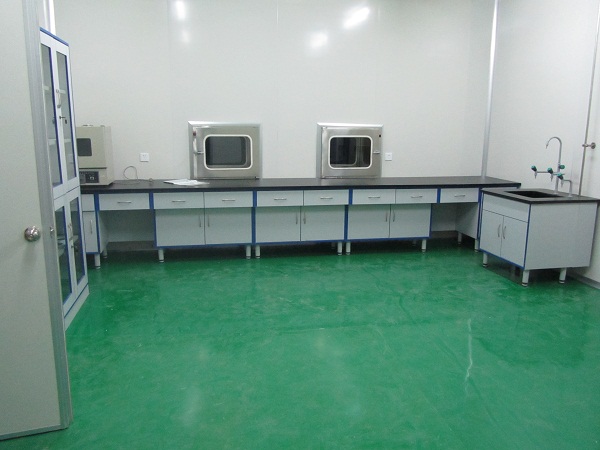
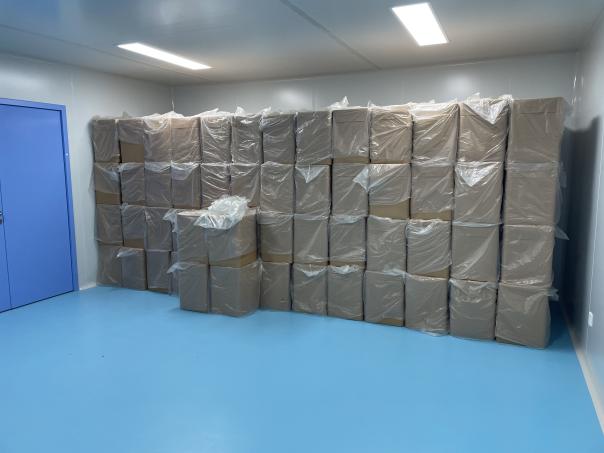
Guanjie Biotech is a Shaanxi-based ingredient manufacturer founded in 2004. The company supplies plant extracts, fruit powders and specialty chemical raw materials to supplement, food and beverage manufacturers; its listed export markets include Germany, France, the United Kingdom, Brazil, Mexico, Japan, South Korea, Vietnam and the United Arab Emirates. It operates a 7,000 m² facility with a 2,000 m² cGMP-standard clean workshop and a 500 m² laboratory. For beverage formulators, that combination matters because solubility, colour and documentation are not separate purchasing questions. They are parts of the same formulation file.
Problem Definition: Why Antioxidant Is Not a Formulation Specification
Antioxidant is a functional category, not a solubility class. Two ingredients can both be described as antioxidants and still behave in opposite ways in water. A fat-soluble antioxidant needs an oil phase, an emulsifier or a carrier system. A water-soluble antioxidant or colourant can be added to the aqueous phase, but it may still create haze, change hue or fade during processing. The formulator has to translate the ingredient claim into a physical behaviour in the drink.
CoQ10 is a clear example. The molecule is described as fat-soluble, dissolving in organic solvents such as acetone and ether while being insoluble in water. That is useful in an oil-based system or an emulsion. It is not a direct instruction for a clear functional water. Guanjie Biotech lists a 10% water-soluble CoQ10 specification alongside the 99% grade, which gives buyers an aqueous option. The grade name is not a complete formulation answer: the supplier specification still needs to be matched to the target pH, clarity, thermal process and label claim.
Blue butterfly pea flower powder sits on the water-soluble side, but its primary role is colour. The powder is described as a water-soluble pigment rich in antioxidant anthocyanins, with blue-to-purple pH colour shifts. That makes it attractive for RTD teas, cocktails and functional beverages. It also makes colour a process variable. If the pH moves, the shade moves. If the heat process is too aggressive, the colour may lose intensity. If the bottle is clear and the drink is light-exposed, the colour may drift over shelf life.
The commercial risk is not only a failed bench trial. The wrong grade can create rework at scale: a CoQ10 99% powder that rings in a clear drink, a butterfly pea colour that shifts after pasteurisation, or a label claim that no longer matches the measured active or colour. Those problems are easier to prevent at the sample stage than to correct after a production run.
Industry Background: Why Beverage Teams Are Revisiting Solubility
Functional beverages have moved from a niche category to a mainstream format for supplements, botanicals and natural colours. Global Market Insights estimates the global nutraceutical ingredients market at USD 105.8 billion in 2026 (SRC-0004). That figure covers bioactive ingredients rather than finished drinks, so it should not be used to size a single beverage line. It does help explain why buyers are seeing more ingredient options, more label claims and more supplier documentation requests in the same shelf space.
CoQ10 has an established position in supplement and beverage formulation. Guanjie Biotech states that its CoQ10 is produced using microbial fermentation technology and that the material aligns identically with the body's natural form. The company also states that it operates independent manufacturing facilities and testing laboratories. For a buyer, the practical question is not whether fermentation is mentioned, but whether the chosen grade fits the intended phase and whether the batch documentation supports the label.
Blue butterfly pea is part of the clean-label colour trend. Guanjie Biotech describes its blue butterfly pea flower powder as a 100% natural, additive-free powder produced by hot air drying, with 100.0% passing 80 mesh. The company positions it as a clean-label blue colorant for RTD teas, cocktails, bakery items and functional beverages. That positioning is useful, but colour and supplement use are regulated differently in many markets. The same powder may be reviewed as a colour in one format and as a supplement ingredient in another.
Regulatory context matters at the formulation stage. In the United States, FDA states that dietary supplement manufacturers, packagers and holders must follow current good manufacturing practices for identity, purity, quality, strength and composition. FDA also describes a pre-market notification process for a new dietary ingredient unless an exception applies. Those obligations sit mainly with the finished-product brand, so supplier specifications, COAs and certification documents become part of the compliance file rather than a purchasing formality.
Detailed Solution: Matching CoQ10 10% and Butterfly Pea to the Beverage Phase
CoQ10: The Fat-Soluble Base and the 10% Water-Soluble Grade
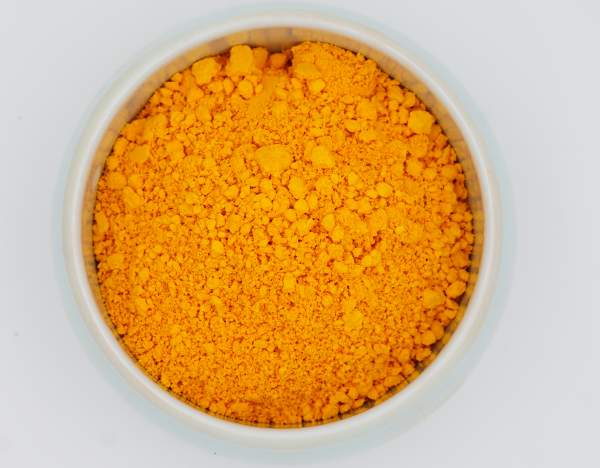
Guanjie Biotech lists Coenzyme Q10 powder under CAS 303-98-0. The appearance is yellow or light orange-yellow, odorless and tasteless. The specification lists two grades: 10% water-soluble and 99%. The solubility note describes the molecule as insoluble in water and soluble in organic solvents such as acetone and ether. The selling point describes the material as fat-soluble and produced by microbial fermentation.
Those details point to two different formulation routes. The 99% grade is the higher-concentration CoQ10 specification, and its solubility profile fits systems that can carry an oil phase, an emulsion or a capsule fill. The 10% water-soluble grade is the specification intended for aqueous systems. It is not the same as the 99% grade diluted at the bench; it is a supplied grade with its own specification. Buyers should treat the grade number and the assay as separate fields in the COA.
For a beverage, the 10% grade removes the need to build the entire formulation around an oil phase, but it does not remove the need for a bench trial. A water-soluble grade can still produce haze, foam or ringing depending on the base, the pH, the sweetener system and the processing conditions. The formulator should also calculate the CoQ10 overage from the assay and the intended label claim, not from the grade name alone. A 10% grade is not a 99% active, and the difference has to be handled in the formula and the label.
Blue Butterfly Pea: A Water-Soluble Anthocyanin Colourant
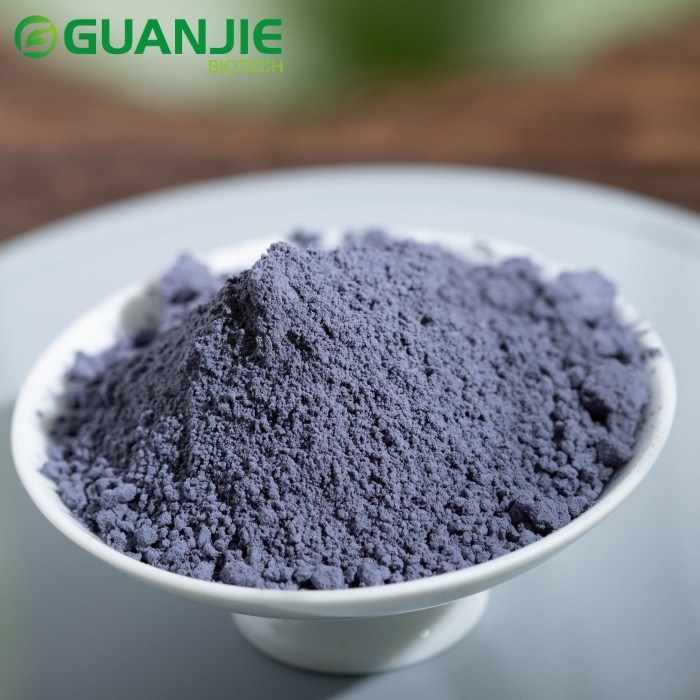
Guanjie Biotech lists blue butterfly pea flower powder as a 100% natural, additive-free powder with a gray blue appearance, 100.0% passing 80 mesh, produced by hot air drying. The source is butterfly pea (Clitoria ternatea). The company describes it as a water-soluble pigment rich in antioxidant anthocyanins, with blue-to-purple pH colour shifts and heat-stable performance. It is positioned as a clean-label blue colorant for RTD teas, cocktails, bakery items and functional beverages.
The solubility advantage is straightforward: the pigment is water-soluble, so it can be considered for the aqueous phase of a beverage. The colour behaviour is not as simple. Anthocyanins are generally pH-sensitive, and the supplier describes a blue-to-purple shift across pH conditions. That means the same powder can look different in a low-pH lemonade, a near-neutral tea and a buffered functional water. The colour target has to be defined together with the pH range, not after the flavour system is fixed.
Heat and light are the other variables. Guanjie Biotech describes heat-stable performance, but that is a supplier statement rather than a universal processing guarantee. Anthocyanins are generally sensitive to heat, pH and light, so a thermal challenge in the actual beverage matrix is still required. A clear bottle also exposes the colour to light during storage. If the label promises a specific shade, the package and the shelf-life conditions belong in the trial plan.
The supplied specification does not state a standardized anthocyanin assay. If anthocyanins are part of the label claim or the marketing story, ask for the assay method and a colour specification in addition to the mesh and appearance. If the powder is used only for colour, the colour specification and the pH behaviour are the primary technical documents. The two use cases need different questions even when they use the same powder.
How the Two Ingredients Divide the Work
CoQ10 10% is an antioxidant active in a water-soluble grade. Its job is to deliver CoQ10 into an aqueous formulation. Butterfly pea is a water-soluble colourant that also carries anthocyanins. Its job is to deliver a blue-to-purple shade and, where permitted, an anthocyanin story. Replacing one with the other would change the formula's function, not just its colour.
A combination concept can make sense when the product needs both an antioxidant active and a natural colour. In that case, the formulator should treat them as two ingredients with two specifications, two assays and two stability questions. The colour trial should be run with the CoQ10 grade in the matrix, because the final base, pH and processing conditions are the ones that determine whether the butterfly pea shade survives.
Step-by-Step Breakdown: From Brief to Bench Trial
- Write the product brief before the ingredient brief. Define the target pH range, clarity, thermal process, shelf life, packaging, permitted claims and destination market. Without those constraints, solubility data is not actionable. A clear RTD and a cloudy protein drink can use the same ingredient and still need different grades.
- Assign one primary role to each ingredient. CoQ10 10% is the candidate when the role is a CoQ10 active in an aqueous base. CoQ10 99% is the candidate when the role is a CoQ10 active in an oil phase, emulsion or capsule fill. Butterfly pea is the candidate when the role is a water-soluble blue-to-purple colour. If the formula needs both an active and a colour, keep the roles separate in the specification.
- Match the grade to the phase. Do not put the 99% grade into a clear water phase and expect the solubility note to disappear. Do not assume the 10% grade is a drop-in replacement for the 99% grade on a milligram-for-milligram basis. Calculate the active contribution from the assay and confirm the carrier and the recommended dispersion procedure with the supplier.
- Run a phase and clarity trial at the intended use level. Use the actual water, buffer, sweetener and flavour system. Observe dispersion, foam, haze, ringing and sediment over the first 24 hours and again after a hold period. A result in water alone is not a result in the final beverage.
- Run a pH ladder across the product's intended range. For butterfly pea, record the colour at the low, target and high pH points and check whether the shade still matches the label concept. For CoQ10 10%, check whether pH affects haze, dispersion or assay. If the product is buffered, test the buffer rather than a simple acidified water.
- Run a thermal challenge that matches the real process. Use the intended pasteurisation, hot fill, UHT or retort conditions and evaluate colour, haze and assay after cooling. Guanjie Biotech states that its product specialists assist with processing challenges such as colour loss, thermal degradation and solubility issues in beverage, bakery and supplement matrices. Use that support to design the challenge, but verify the result in your own matrix.
- Run a light and shelf-life challenge. Compare the intended package with a control. Check colour drift, sedimentation and active loss at the planned storage conditions. If the label promises a specific shade or a specific CoQ10 amount, the shelf-life data has to support that promise, not just the day-one sample.
- Lock the specification and the documentation before scale-up. Confirm the COA fields, the technical data sheet, the certification documents, the sample retention plan, the MOQ and the lead time. A formula that works on the bench but cannot be documented at scale is not a finished project.
Use Cases: Where Each Ingredient Fits
1. Clear functional water with CoQ10 10%
A clear functional water is the most direct use case for the 10% water-soluble CoQ10 grade. The grade is designed for aqueous systems, so it avoids the oil-phase requirement of the 99% grade. The formulator still has to check haze, dispersion and mouthfeel at the intended use level. If the label claims a specific amount of CoQ10, the overage should be calculated from the assay and confirmed through shelf life. A clear bottle also makes light protection part of the formula design.
2. RTD tea or lemonade with butterfly pea
An RTD tea or lemonade is a natural fit for butterfly pea because the pigment is water-soluble and the colour is part of the product identity. The pH of the base will influence whether the shade reads more blue or more purple. Ascorbic acid, fruit acids and buffering agents can all move the colour. The formulator should fix the pH range first, then match the powder lot to a colour standard. Light exposure and pasteurisation should be tested in the final package.
3. Colour-change or layered beverages
The blue-to-purple pH shift can be used as a deliberate colour-change feature, for example when a consumer adds a citrus component. That concept is visually distinctive, but it raises the bar for consistency. The colour at the starting pH, the colour after mixing and the colour after storage all need a specification. Batch-to-batch colour consistency is also more important when the colour change is the product story rather than a background effect.
4. Powder stick packs and instant beverages
Both ingredients can be considered in dry-mix formats. CoQ10 10% is a water-soluble grade for reconstitution, and butterfly pea is a water-soluble pigment that can be dry-blended. The critical tests move to dispersion on reconstitution, colour after mixing and moisture protection during storage. The 80-mesh pass rate of the butterfly pea powder is a useful starting specification, but it does not replace a reconstitution trial in the actual stick-pack base.
5. Combination concepts with an active and a colour
A beverage that contains CoQ10 10% and butterfly pea is a two-function formula: one ingredient is the antioxidant active, the other is the colourant. The development plan should include a combined matrix trial, because the colour has to survive the same pH and heat process as the CoQ10. Do not assume that a colour result from a simple water model will hold in the final CoQ10 system. Test the combined formula, measure the colour and confirm the CoQ10 assay.
6. Adjacent formats: capsules, gummies and emulsions
The 99% CoQ10 grade is the more natural fit for oil-based systems, emulsions and capsule fills. Butterfly pea can also be used in gummies and other confectionery formats where a natural blue-to-purple colour is wanted. Those formats are outside a clear beverage, but they are useful reference points for buyers who are developing a family of products around the same ingredient portfolio.
Comparison Table: CoQ10 99%, CoQ10 10% and Butterfly Pea
| Attribute | CoQ10 99% | CoQ10 10% water-soluble | Blue butterfly pea flower powder |
|---|---|---|---|
| CAS / source | CAS 303-98-0; microbial fermentation | CAS 303-98-0; microbial fermentation | Clitoria ternatea; hot air dried |
| Appearance | Yellow or light orange-yellow; odorless and tasteless | Yellow or light orange-yellow; odorless and tasteless | Gray blue powder |
| Solubility | Fat-soluble; insoluble in water; soluble in organic solvents such as acetone and ether | Water-soluble specification | Water-soluble pigment |
| Primary formulation role | Antioxidant active for oil phase, emulsion or capsule | Antioxidant active for aqueous formats | Anthocyanin-rich colourant |
| pH behaviour | Not described as a pH indicator | Not described as a pH indicator | Blue-to-purple pH colour shift |
| Mesh | Not stated in the supplied specification | Not stated in the supplied specification | 100.0% pass 80 mesh |
| Certifications | ISO, Halal and Kosher at company level | ISO, Halal and Kosher at company level | ISO, Halal and Kosher at company level |
| MOQ | 1 kg | 1 kg | 1 kg |
| Lead time | 30 days | 30 days | 30 days |
| Typical beverage fit | Oil-based or emulsified systems; not a clear water phase | Aqueous beverages and powder systems | RTD tea, cocktails, functional beverages and bakery |
| Main watch-out | Water dispersion and ringing | Haze, carrier and overage | pH, heat, light and colour consistency |
Table notes: certifications, MOQ and lead time are company-level terms listed by Guanjie Biotech. The CoQ10 specification does not state a mesh or a carrier for the 10% grade. The butterfly pea specification does not state a standardized anthocyanin assay.
Buyer Checklist: What to Request Before a Pilot Batch
- Grade-specific technical data sheet. Confirm the CoQ10 grade, assay method, carrier where applicable, recommended dispersion procedure and the butterfly pea colour specification.
- Batch COA. For CoQ10, check assay, appearance, moisture and the relevant contaminant limits. For butterfly pea, check appearance, mesh, moisture, microbial limits and any colour specification offered by the supplier.
- Certification documents. Guanjie Biotech lists ISO, Halal and Kosher certifications. Confirm that the certificates cover the product and the site that will supply the batch.
- Allergen and non-GMO statements. The butterfly pea powder is described as non-GMO and 100% natural without additives. Ask for the current statements rather than relying on the product page.
- Sample retention and pilot quantity. The listed MOQ is 1 kg, which supports a bench trial and a small pilot. Confirm the sample size, the retention sample and the packaging format before the trial starts.
- Lead time and capacity. The listed lead time is 30 days. Confirm it against the specific grade, the packaging and the destination before the launch date is fixed.
- OEM/ODM and packaging support. Guanjie Biotech lists OEM/ODM and packaging customization. Clarify which parts of the label, pack size and artwork are covered.
- After-sales technical support. The company states that its product specialists assist with formulation troubleshooting, including colour loss, thermal degradation and solubility issues. Use that support to review the trial protocol before the first pilot run.
FAQ
Are CoQ10 10% and blue butterfly pea flower powder allowed in a beverage marketed as a dietary supplement?
They are regulated differently, and the answer depends on the market, the dose, the claim and whether the ingredient is used as a nutrient or a colour. In the United States, FDA requires dietary supplement manufacturers, packagers and holders to follow current good manufacturing practices for identity, purity, quality, strength and composition. A new dietary ingredient notification may also apply before marketing unless an exception applies. Colour use can follow a different route from supplement use. Confirm the permitted status and label declaration in the destination market before you finalise the formula, and request the supplier's specification, COA and certification documents for your regulatory file.
Does Guanjie Biotech supply both the 10% water-soluble CoQ10 grade and blue butterfly pea flower powder?
Yes. Guanjie Biotech lists Coenzyme Q10 powder under CAS 303-98-0 in a 10% water-soluble specification and a 99% specification, with a yellow to light orange-yellow, odorless and tasteless appearance. It also lists blue butterfly pea flower powder as a 100% natural, additive-free powder with 100.0% passing 80 mesh, produced by hot air drying. The company supplies both from its own portfolio and supports OEM/ODM and packaging customization. Ask for the technical data sheet and batch COA for the exact grade you intend to use.
For a clear RTD, which ingredient is easier to formulate: CoQ10 10% or butterfly pea?
They solve different problems. Butterfly pea is a water-soluble pigment, so it is the logical choice when the target is a blue-to-purple anthocyanin colour; the formulator still has to control pH, heat and light because the hue is pH-sensitive. CoQ10 10% is a water-soluble CoQ10 specification, so it is the logical choice when the target is a CoQ10 active in an aqueous base; clarity, haze and dispersion still need a bench trial. Neither ingredient should be selected on the word antioxidant alone. Define whether the formula needs an active, a colour, or both, then test at the intended use level in the final matrix.
What are the MOQ, sample and lead-time terms?
Guanjie Biotech lists a minimum order quantity of 1 kg, a lead time of 30 days, 100% testing and OEM/ODM support. The company also lists free samples for blue butterfly pea flower powder and supports sample requests for its ingredient portfolio. Because MOQ and lead time can vary with grade, packaging and destination, confirm them in the quotation before you schedule a pilot run.
Can the same supplier support related cognitive-health ingredients such as phosphatidylserine powder?
Guanjie Biotech lists phosphatidylserine as a main product and offers it in powder, liquid, water-soluble powder and granular forms. A South Korean health food and functional supplement manufacturer has used Guanjie phosphatidylserine at 50 MT per year for three years for a cognitive health product line; the case cites high purity, stable batch-to-batch quality and compliance with KFDA food raw material requirements, with a full COA for each batch. If your next project moves from beverage antioxidants to cognitive-health formulations, you can request a phosphatidylserine sample and specification pack through the same supplier contact.
Conclusion
The water-soluble versus fat-soluble question is more useful than the antioxidant ranking question because it tells the formulator where the ingredient can go. CoQ10 99% is the fat-soluble specification for oil phases, emulsions and capsule fills. CoQ10 10% is the water-soluble specification for aqueous beverages and powder systems. Blue butterfly pea flower powder is a water-soluble anthocyanin colourant with a blue-to-purple pH shift. It can add colour to a beverage, but it is not a substitute for a CoQ10 active.
The practical decision rule is simple: define the role first, then the phase, then the pH and process, then the documentation. A CoQ10 10% sample that disperses cleanly in the target base is more valuable than a higher-concentration grade that rings in the bottle. A butterfly pea lot that holds its shade through the real thermal process is more valuable than a powder that only looks right in water. Guanjie Biotech supplies both ingredient families, lists ISO, Halal and Kosher certifications, and supports OEM/ODM, packaging customization and formulation troubleshooting. The next step is a sample trial in the final beverage matrix, not a decision based on the antioxidant label alone.
Next Step: Sample, Specification and Quotation
Request a CoQ10 10% water-soluble sample, a blue butterfly pea flower powder sample, or a combined specification pack for your beverage project. Guanjie Biotech can provide the technical data sheet, batch COA, certification documents and a quotation based on the grade, packaging and destination.
Download the Guanjie Nutraceutical Ingredients brochure, visit guanjiebio.com, or contact the team at info@gybiotech.com / WhatsApp +86 150-2999-3470.
Have Questions or Need More Details?
Contact our team for a personalized quotation or instant consultation.
Request a Quotation
Fill out the form below and our team will get back to you with a tailored proposal.
WhatsApp Direct Chat
Prefer to chat in real-time? Message us on WhatsApp for instant assistance & quick answers.
- Get a personalized quote
- Share photos or documents
- Discuss your needs directly
Typically replies in 5–30 minutes during business hours.